In this podcast, we talk with Dr. Sarah Keating. As an anatomic pathologist for more than 35 years, Sarah worked on staff at a number of hospitals in Ontario as well as at Ontario Forensic Pathology Services. She is recently retired but is passionate about learning as much as possible about tick borne diseases in order to help improve the access to care for suffering patients. She maintains her affiliation with the University of Toronto as an Associate Professor Emeritus in the Department of Laboratory Medicine and Pathobiology. Sarah has been a member of the CanLyme board since 2022 and she is also an active member of ILADS – the International Lyme and Associated Diseases Society.
Sarah is committed to spreading awareness of the potential causative role of tick-borne diseases in mental illness, promoting education of Canadian health care practitioners and policy makers in tick-borne diseases, and promoting the role of tissue diagnosis to increase our understanding of these diseases.
Topics discussed
1:25 How Dr. Keating became interested in becoming a pathologist
2:20 What being a pathologist entails
3:06 What led Dr. Keating to be interested in Lyme disease
4:13 How pathology and Lyme disease intersect, and what a biobank is
5:38 Access to new information to Lyme for medical professionals
6:10 The importance of curiosity in medicine and the troubles of misinformation
7:09 ILADS conference in 2024, and Dr. Keating’s role at the conference for CanLyme
8:55 Support for healthcare practitioners who treat Lyme through CanLyme
10:12 The most helpful takeaways from ILADS conference 2024 and the trouble with Canadian Lyme disease testing
11:12 Differences in international standards for diagnosis and treatment of Lyme disease
12:37 The role of climate change in the spread of Lyme disease
13:45 The activities that CanLyme is currently running
14:14 The potential of tick borne diseases in mental illnesses
16:35 What keeps Dr. Keating motivated
17:45 Dr. Keating’s suggestions for those who have been recently diagnosed with Lyme disease
Get a tick removal kit
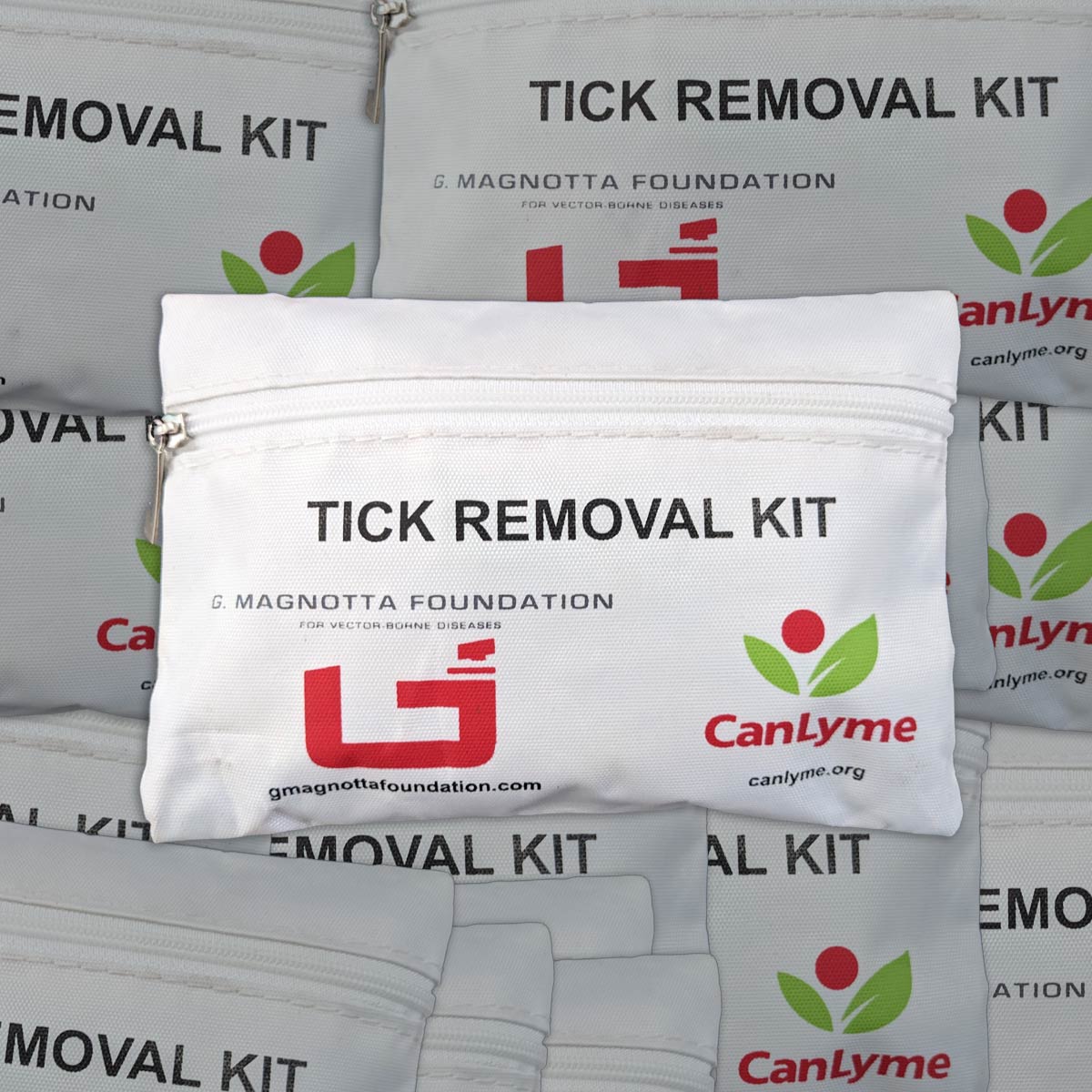
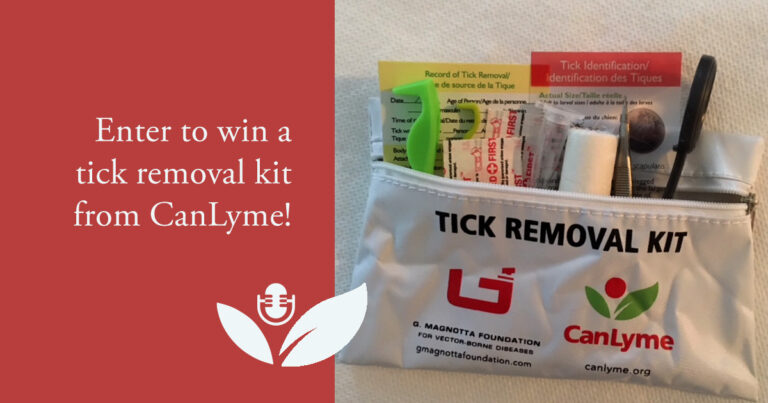
CanLyme’s Tick Removal Kit has everything you need to properly remove and store a tick for further identification and testing, and is easy to pack and find in your backpack, purse, glove box, first aid kit and in your home.
We are giving away ten free tick removal kits, courtesy of CanLyme! Pack this in your backpack or in your first aid kit and take it on adventures with you.
Our fourth season of the Looking at Lyme podcast is on its way! We’re gearing up to start exploring some new avenues and opportunities for learning and healing. When it comes to healing, science is showing us that our minds and bodies operate as one system and need to be studied and treated that way….
Dr. Porter is a researcher, educator, author and creator of technologies that use light, sound and other strategies to improve brain function and performance. He has written several books including Awaken the Genius: Mind Technology for the 21st Century.