73. Dr. Kendall Soucie and Marissa Rakus join to discuss their research on medical gaslighting
Researchers have compiled close to 2,000 responses from women who say medical personnel have not taken their problems seriously. We discuss this challenge and how it impacts chronic health conditions like Lyme disease.
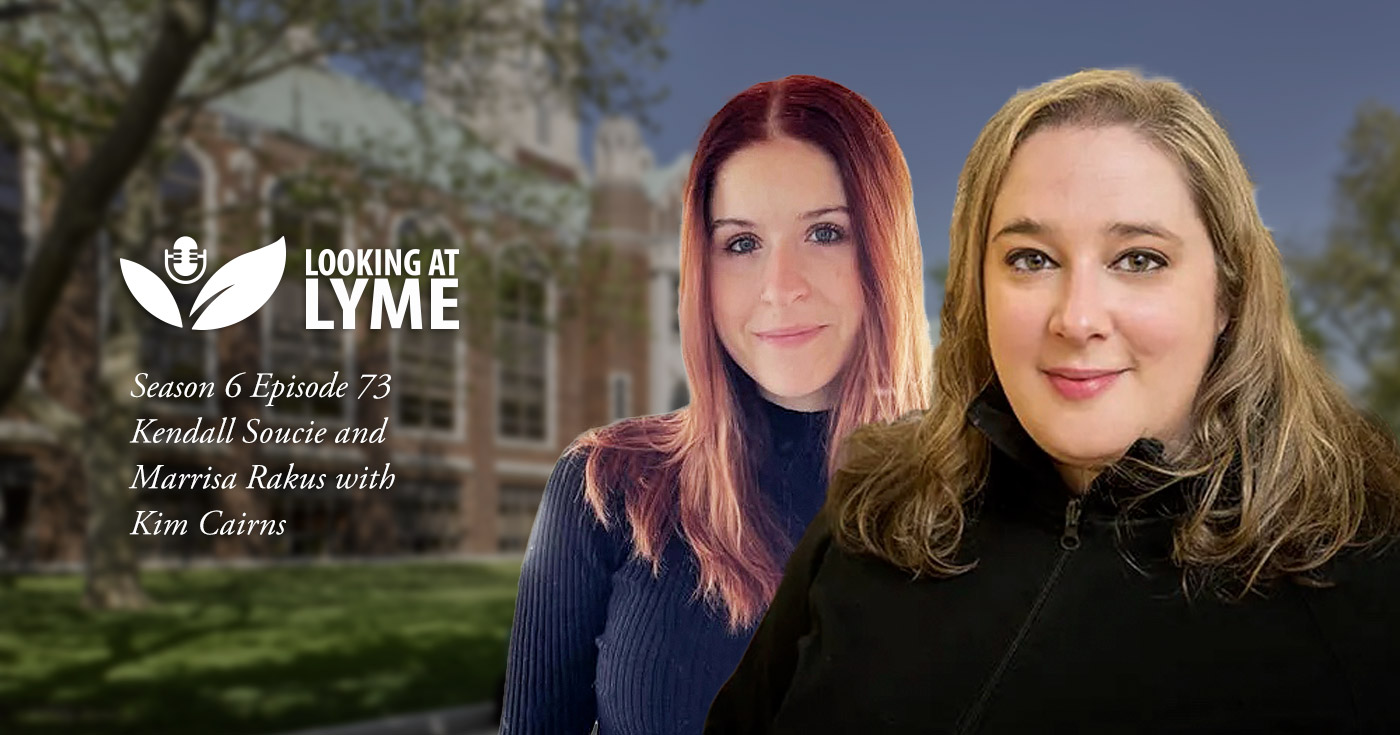
In this episode, we speak with Dr. Kendall Soucie and Marissa Rakus. Dr. Kendall Soucie is an Associate Professor in the Department of Psychology at the University of Windsor, in Ontario Canada. She studies women’s health, particularly the social and institutional impacts of living with chronic health conditions.
Marissa Rakus is a PhD candidate in the Applied Social Psychology program at the University of Windsor. Her research examines gender-based violence and women’s interactions with formal support systems.
Together they are researching medical gaslighting. They’ve been gathering information from respondents and have compiled close to 2,000 responses from women who say medical personnel have not taken their problems seriously. They join us today to talk about this challenge and how it impacts chronic health conditions like Lyme disease.
Topics discussed
1:07 What is medical gaslighting?
2:05 Why medical gaslighting occurs
6:41 Nurse Practitioners role as a provider
7:24 How Implicit bias and stereotypes contribute to medial gaslighting and how it affects medical outcomes
10:38 Slow increase but still disproportional funding towards women’s issues
13:20 How doctors can reduce medical gaslighting
14:35 Patients feeling like they need to bring the burden of proof to the doctor’s office
16:50 How patients can effectively advocate for themselves and challenge medical gaslighting
24:10 Moving forward with research on medical gaslighting
27:41 How medical practitioners can deconstruct their own biases